

Equality, Diversity and Inclusion
Our commitment
Eastern Education Group is committed to creating a learning and working environment in which all individuals are respected, valued and able to achieve their full potential.
We believe that diversity is an asset and that every person – regardless of background, identity or belief – should be treated with dignity and fairness.
We recognise our obligations under the Equality Act 2010 and the Public Sector Equality Duty, and we aim to embed equality, diversity and inclusion into all aspects of our work.


Investors in Diversity Accreditation
We are proud to announce that Eastern Education Group has been awarded the Investors in Diversity Silver accreditation. This achievement recognises the robust and systematic way we approach equality, diversity and inclusion – in our teaching, learning, employment, governance and partnerships.
It demonstrates that we have moved beyond minimum compliance and are committed to continuous improvement, embedding good practice and celebrating difference.
We will continue to build on this foundation, striving towards higher levels of inclusion, fairness and representation across our organisation.
This award means we rank within the top 100 organisations in the country, with Eastern Education Group ranking in the top 10% with the silver award, recognising our commitment to fostering a fair, respectful, equal, diverse, inclusive and engaging culture across the organisation.
Public Duties and Action Plan
The following outlines our statutory duties and how we plan to meet them.
1. Publication of Equality Information
As an organisation, Eastern Education Group recognises its legal responsibility under the Equality Act 2010 to publish equality information and to set meaningful equality objectives. We commit to publishing annually:
- information about the protected characteristics of our staff and learners;
- our equality objectives and progress towards meeting them;
- evidence of how we are eliminating discrimination, advancing equality of opportunity and fostering good relations between different groups.
2. Our Duties under the Equality Act 2010
Under the Equality Act 2010, Eastern Education Group has three general duties:
- to eliminate unlawful discrimination, harassment and victimisation;
- to advance equality of opportunity between people who share a protected characteristic and those who do not;
- to foster good relations between people who share a protected characteristic and those who do not.
These duties require us to take positive and proactive steps in our policies, practices and everyday activities.
3. Taking Account of Protected Characteristics
The protected characteristics include age; disability; gender reassignment; marriage and civil partnership; pregnancy and maternity; race (including colour, nationality and ethnic origin); religion or belief; sex; sexual orientation.
We must consider how our policies, procedures and decisions affect people who share any of these characteristics and whether there are inequalities which need to be addressed.
In practice this means we will ensure:
- the needs of different groups are considered, especially where their needs differ to the majority;
- reasonable adjustments are made for disabled staff and learners to ensure full access and participation;
- monitoring and data collection cover the protected characteristics, so we can identify issues and act upon them.
4. Engagement and Evidence-based Decision Making
Our approach includes meaningful engagement with staff, learners, stakeholders and communities so that we can understand their lived experience and identify barriers to inclusion. We will use data, feedback, equality impact assessments and other evidence to inform decisions and ensure we embed equality, diversity and inclusion into strategic planning and governance.
5. Equality Objectives & Review
We will set specific, measurable equality objectives which reflect our strategic priorities and the needs of our learners, staff and communities. These objectives will be reviewed annually, progress reported publicly and refreshed when necessary to ensure they remain relevant and ambitious.
We will publish our objectives, monitor progress, report on outcomes and review our action plan to ensure continuous improvement.
6. Accountability, Transparency & Governance
Eastern Education Group recognises that leadership and governance play a crucial role in delivering equality, diversity and inclusion. Our governing body, senior leadership team and all managers are accountable for the implementation of this policy. We will ensure transparency by publishing relevant data, progress reports and making our plans available.
Our policies and performance will be subject to regular audit, review and scrutiny to ensure we deliver our commitments.
Policies, Reports & Key Information

Equality Objectives and Public Sector Equality Duties Report 2026-27
Swipe left and right to switch between the tabs.
As a Public Sector Organisation we are obligated by the Equality Act (2010) to undertake our statutory Public Sector Equality Duties (PSED 1, 2 & 3):
- actively eliminate discrimination, harassment and victimisation;
- advance equality of opportunity;
- and foster good relations across the protected characteristics.
We align our statutory Public Sector Equality Duties (PSED) with Eastern Education Group’s strategic priorities to ensure meaningful and measurable impact.
Our objectives reflect both the spirit and legal requirements of the Equality Act 2010, demonstrating due regard to eliminating discrimination, advancing equality of opportunity, and fostering good relations across all protected characteristics.
This integrated approach positions EEG as both compliant and committed to inclusive excellence.
| Strategic Priority | Aim | Objectives |
| Our Learners: | Ensuring an inclusive and supportive environment where every student can achieve their full potential. | Implement systems that remove barriers to student success and support diverse needs (PSED2) Ensure teaching and assessment promote equality and inclusion for all learners (PSED2) Raise awareness of diversity and actively address discrimination and stereotyping (PSED1) Foster an inclusive learning environment where every student feels valued (PSED3) Support every student to reach their full potential through tailored guidance and resources (PSED2) |
| Our Team: | Creating opportunities underpinned by a strong commitment to welfare, enabling our staff to thrive personally and professionally. | Promote a consistent understanding of equality, diversity, and inclusion across the organization (PSED2) Ensure policies protect and support minority and vulnerable groups (PSED1) Foster a workplace culture that values well-being and professional growth (PSED2) Provide staff with training and resources to champion inclusivity (PSED3) Continuously evaluate and improve practices to support staff welfare and inclusion (PSED2) |
| Our Communities: | Promoting safe, respectful, and socially inclusive communities where a strong sense of place and a shared vision of equality and diversity is enjoyed by all. | Develop community partnerships that prioritise inclusion, social cohesion, and mutual respect (PSED2) Promote initiatives that engage underrepresented groups and foster participation in community development activities (PSED1) Implement strategies that enhance cultural awareness and celebrate diversity within the broader community (PSED3) Regularly assess the impact of community engagement programs on equality, diversity, and inclusion, ensuring continuous improvement (PSED2) Establish community-focused programs that encourage collaboration, civic responsibility, and shared learning opportunities (PSED3) |
| Our Infrastructure: | Developing and maintaining facilities and resources that support and enhance the wellbeing and success of our students, staff, and communities. | Ensure that physical and digital infrastructure is accessible, safe, and welcoming to all members of the community, including those with disabilities (PSED1) Regularly invest in and upgrade facilities to meet the evolving needs of students, staff, and the broader community (PSED2) Incorporate sustainable and environmentally friendly practices into the development and maintenance of infrastructure (PSED3) Provide resources and spaces that promote health, wellbeing, and inclusivity across all areas of the institution (PSED2) Create adaptable learning environments that support diverse teaching methods, learning styles, and collaboration (PSED2) |
This report sets out the organisation’s 2025/26 Public Sector Equality Duty approach for Our People, focused on staff inclusion, welfare and equitable opportunity. Its purpose is not only legal compliance, but creating a workplace where staff can thrive, discrimination is reduced, and inclusive practice is embedded across recruitment, policy, health support, training and leadership development.
A notable feature is the alignment of EDI work with organisational character strengths such as respect, curiosity, ownership, ambition, resilience and confidence. This positions EDI as a cultural expectation as well as a procedural responsibility.
A shift toward more systematic, evidence-led workforce inclusion
A major theme is the move toward more systematic, evidence-led workforce inclusion. In recruitment, the organisation is seeking better applicant and appointment data by protected characteristics so it can monitor representation and shape more inclusive recruitment strategies.
Progress is still developing. Demographic data collection has improved, but low disclosure rates and reporting limitations mean that full analysis is not yet in place and some recruitment review work continues beyond the current reporting cycle.
The same evidence-led approach is emerging in Health and Safety, where the organisation wants clearer reporting on reasonable adjustments, accessibility arrangements and support outcomes.
Inclusion is being embedded into core people processes, not treated as a standalone initiative
EDI is increasingly being embedded into core people processes rather than treated as a standalone initiative. This includes clearer HR information, a more visible wellbeing offer, and a stronger emphasis on consistency, transparency and fairness in employee relations.
There are also structural changes to support this, including the rebranding of the Absence team as Health and Absence, a new Discretionary Leave of Absence Policy, and further planned reviews of key workforce policies. The wider aim is to make systems more supportive, accessible and consistent across different settings.
Policy governance is also becoming more systematic, with core policies being reviewed through an EDI lens and adapted where needed for different types of provision. By the review stage, this had led to more centralised documents, clearer language and better access to policy information.
Leadership, training, and capability-building are treated as major levers for change
Leadership, training and capability-building are treated as major levers for change. This report highlights the scale of staff development through the Development Zone and Licence to Lead, alongside improved compliance tracking and wider rollout across settings.
Licence to Lead is presented as a particular strength, with strong take-up and early signs that it is improving managerial confidence, communication and staff support. Leadership development is clearly being linked to inclusive management practice.
Staff wellbeing is becoming more visible, better resourced, and more diverse in form
Wellbeing is presented as a broad and increasingly visible offer, combining events, benefits, peer support, leadership culture and practical interventions rather than focusing narrowly on absence management alone.
Mid-year and review updates show evidence of rollout, including the Employee Assistance Programme, strong engagement with wellbeing initiatives, and wider access to staff benefits and development resources.
The wellbeing approach is also becoming more community-based, with staff networks and more specialist health provision emerging alongside centrally delivered support.
Accessibility and reasonable adjustments are becoming more proactive and practical
Accessibility and reasonable adjustments are becoming more proactive and practical. This report emphasises earlier support, central coordination, and everyday accessibility measures in meetings, materials and workplace practice.
By the later review, this had broadened into stronger disability access practice, more consistent assessments and closer coordination with HR and IT, as well as greater consideration of accessibility in audits and estates planning.
Governance and accountability are present, but end-of-year completeness is uneven
This report is supported by a formal governance cycle, with reporting to the EDI Professional Services Board and senior leadership. This gives the work a clear structure for oversight and accountability.
However, end-of-year completeness is uneven. Some areas, particularly wellbeing, policy, and health and safety, show fuller evidence of implementation, while others remain less complete, especially recruitment and employee relations.
Most important overall takeaways
Taken together, this report shows an organisation deepening its staff-focused EDI work in five main ways:
- Making inclusion more measurable through better data on workforce representation, adjustments and compliance.
- Embedding EDI into mainstream people systems such as HR, policy, absence and recruitment.
- Investing in leadership and manager capability as drivers of inclusive practice.
- Expanding staff wellbeing into a broader offer of support, benefits and networks.
- Making accessibility more proactive through earlier support, better materials and stronger systems.
Overall, this report points to meaningful progress, especially in leadership development, policy accessibility, wellbeing infrastructure and proactive health support, while also showing that some strands remain more developmental than fully embedded.
This report sets out a group-wide EDI and Public Sector Equality Duty approach focused on creating an inclusive environment where all learners can succeed. Across the group, the priorities are removing barriers to achievement, embedding inclusive teaching and assessment, and building cultures where diversity is visible, valued and supported. The work is framed not simply as compliance, but as part of everyday culture and practice.
A strong shift from isolated initiatives to embedded practice
A clear theme is the shift from one-off EDI activity to embedded, repeatable practice. This is strongest at WSC, where EDI is integrated into curriculum, staff development, pastoral systems, safeguarding, employability and community engagement. Similar patterns appear in the primary schools and in HE & Apprenticeships, where leadership oversight has been strengthened to create a more coherent approach.
Curriculum inclusion is a major delivery strand
Curriculum inclusion is a major delivery strand. In the primary phase, this includes more representative resources, assemblies and PSHE content, work to challenge stereotyping, and improved access for pupils with dyslexia. At OSFC, faculties are adapting curriculum and support for specific cohorts, including students with EHCPs and high-need learners. In HE & Apprenticeships, course validation and resource review are being used to address representation and bias more systematically.
Student voice is not peripheral – it is increasingly central
Student and pupil voice is increasingly central rather than peripheral. In the primary phase, feedback is gathered through surveys, deep dives and adapted approaches for pupils with communication needs, and is used to inform review and planning. Across post-16 settings, student councils, EDI committees, Culture Boards, Hackathons and focus groups are being used to shape provision, strengthen belonging and identify barriers to attendance and engagement.
Staff development is being treated as culture change, not just training compliance
Staff development is increasingly being treated as culture change rather than compliance. Across the group, CPD is focused on inclusive practice, communication, behaviour, EAL, mental health, safeguarding and professional conduct. At OSFC and WSC in particular, staff training is linked to classroom adaptation, reflective practice and stronger use of data to support learners more effectively.
Data, targeted monitoring and early intervention are important, especially in post-16 settings
Data and targeted intervention are also important, particularly in post-16 settings. ASFC, OSFC and WSC are using attendance, attainment and subgroup analysis to identify gaps and plan support, including for learners with EHCPs, young adult carers, students facing mental health challenges, and groups with weaker outcomes. Early intervention through monitoring, referrals and targeted support is described as increasingly embedded.
Inclusion is increasingly connected to enrichment, employability and progression
This report also presents inclusion as access to wider opportunity. Across the group, enrichment, work experience, enterprise, sport, careers activity and progression routes are being used to widen participation and build confidence, employability and aspiration for learners who might otherwise be underrepresented or excluded.
Community and partnership work are growing in scale and ambition
Community and partnership work is also growing. Examples include family support, SEND parent forums, charity links, community projects, and employer partnerships. WSC is especially outward-facing, with links to schools, media and industry, suggesting EDI is becoming part of the group’s wider external influence as well as its internal practice.
Concrete achievements worth noting
- Stanton achieved Inclusion Quality Mark Flagship status.
- SEND post-16 students from OSFC reached national finals in table cricket.
- ASFC expanded student-led EDI activity through its committee and Culture Day planning.
- WSC shows the strongest whole-system progress, with scalable delivery, ambassador growth and a strong external profile.
Overall, the evidence suggests that EDI is becoming more embedded, more strategic and more closely connected to learners’ day-to-day experience across the group. The strongest progress is where inclusive practice is linked to curriculum, student voice, staff development and targeted support, creating a clearer foundation for sustained improvement and more equitable outcomes.
This report sets out how Eastern Education Group is using its “Our Infrastructure” PSED priority to make physical and digital environments more accessible, inclusive, safe and sustainable. Infrastructure is framed not just as buildings or systems, but as the facilities, platforms, processes and resources that shape whether students, staff and communities can participate equitably. Throughout, the emphasis is on removing barriers, supporting wellbeing, meeting legal equality duties and embedding inclusion into routine operational decision-making.
A second strategic thread is the explicit link between EDI, organisational values and character strengths. This report argues that compliance is not enough: the wider aim is to build a culture in which everyone can belong, contribute and succeed. Respect, ownership, resilience and confidence are positioned as practical enablers of equality work, particularly where teams need to challenge bias, sustain change and improve services through reflection and listening.
A strong shift toward accessible and inclusive digital infrastructure
One of the clearest themes is a strong push to improve digital access. This is most visible in marketing and IT, but it also supports admissions and wider service access. The group is redesigning websites and digital platforms to make them easier to use and more inclusive for users with different needs, including those with SEND, hearing impairments, language barriers or limited access to high-spec technology.
This has included reconfiguring the WSC website menu structure, simplifying content and navigation, rolling out translation widgets, deploying the UserWay accessibility widget, updating accessibility policy content, improving FAQs and testing AI chatbots for FE and HE websites. Marketing has also broadened accessibility through virtual tours, drone footage and planned 3D campus mapping, helping users who cannot easily visit in person because of disability, health, caring responsibilities or distance.
IT complements this through captioning and transcription in teaching and collaboration platforms, expanded device loan and remote access arrangements, and greater use of browser-based tools so participation is less dependent on expensive hardware. Together, these measures show digital inclusion being treated as both a student access issue and a wider organisational design principle.
Earlier identification of learner need and more inclusive admissions processes
A significant operational takeaway is the use of infrastructure and systems to identify learner needs earlier and respond more effectively. The new Applicaa application and enrolment system is presented as an inclusive admissions tool rather than simply an administrative platform. It enables applicants to disclose welfare, medical, learning support and bursary needs early, allowing welfare, SEND and finance teams to engage sooner and plan support more effectively.
The system has also improved coordination through a single place to view applications and offers, more efficient Special Admissions Board discussions and easier use by internal EEG SEND provisions and external SEND partners. It also helps identify earlier when a learner may need a different provision, enabling more timely and transparent discussions with families.
Inclusion is increasingly being built into physical estates and campus planning
This report also shows EDI extending from digital access into estates strategy and physical infrastructure planning. Estates work is framed around making campuses and facilities welcoming, safe and accessible for all users, with a focus on identifying barriers proactively rather than only reacting when issues are raised. Activity includes accessibility and statutory compliance audits, reviews of routes, signage, facilities, welfare spaces, emergency access and building condition, alongside reasonable adjustments informed by those checks.
Importantly, estates is not just describing one-off fixes. It is embedding accessibility and inclusion criteria into refurbishment approvals, capital projects and maintenance, with attention to study areas, breakout spaces, hygiene facilities and prayer or quiet rooms. This signals a shift towards treating inclusion as a design and investment standard, supported by data such as accessibility logs and compliance metrics to inform group-level priorities.
Sustainability and ethical infrastructure are being integrated with EDI
A major cross-cutting theme is the integration of equality work with ESG and sustainability. This report links inclusive infrastructure to environmental responsibility, ethical procurement and Net Zero ambitions. In estates, this includes sustainability and ethical criteria in project approvals, contractor selection and refurbishment proposals, alongside a target of 5% annual carbon reduction in estates-related emissions and wider decarbonisation work. Marketing mirrors this through tools such as a sustainability calculator for student travel pages.
The infrastructure agenda is therefore not only about access and compliance, but also about how estates, catering, transport information and procurement contribute to wider social and environmental goals. This report presents these agendas as mutually reinforcing rather than competing priorities.
Procurement is being used as a strategic lever for equality, not just cost control
Procurement is being repositioned as a mechanism for advancing institutional values as well as value for money. The section highlights clearer expectations in tender documents, equality duties in evaluation criteria, and efforts to make opportunities more visible and accessible to a wider supplier base through electronic tendering and website improvements.
By year end, procurement is described as an increasingly important lever for embedding EDI through contracts, negotiation and supplier selection. As with IT, accessibility and inclusive design are being raised earlier in supplier discussions to reduce the risk of barriers being built into services or systems from the outset.
Catering emerges as a practical test case for inclusive infrastructure
Although catering is not a standalone section, it provides a practical example of how estates, procurement, sustainability and student voice intersect. This report references halal options, vegetarian and vegan provision, allergen safety, affordability, ethical sourcing and waste reduction. The new Group Head of Catering is described as strengthening the supply chain, exploring a food management solution and improving operational resilience.
This report also highlights student engagement and catering reviews to better understand expectations around affordability, quality, inclusivity and choice. This makes catering a clear example of infrastructure decisions being shaped by end-user feedback rather than operational assumptions alone.
This report sets out Eastern Education Group’s 2026-27 Public Sector Equality Duty work under the strategic priority of “Our Communities”, with a strong emphasis on building safe, respectful and socially inclusive environments where learners and staff can belong, contribute and succeed. Across the group, the work is framed not just as compliance with equality duties, but as a broader cultural commitment to inclusion, civic participation and community impact. A recurring message is that equality work should be visible both in outcomes and in day-to-day practice, supported by a shared set of character strengths including respect, curiosity, ownership, confidence and ambition.
A major theme is community engagement as a route to inclusion. In Adult Learning, the clearest priority has been widening participation through ESOL and digital skills. The document shows a deliberate move towards low-barrier, community-based provision that acts as a first step into formal learning for adults who may be socially isolated, economically inactive, digitally excluded, new to the UK, or lacking confidence in education. Initiatives such as Tea and Talk sessions and the rollout of Living and Working in the UK courses in Bury, Thetford and Ipswich are described as informal, welcoming entry points that have already helped learners progress into accredited ESOL provision. The inclusion of preparation for the UK Resettlement Test is particularly significant, linking learning to legal status, civic participation, employment, and confidence in accessing public services. Alongside this, the partnership with the Good Things Foundation and exploration of the Learn My Way platform shows that digital inclusion is being treated as an equality issue in its own right, with practical relevance to tasks such as using the NHS App and online banking.
A second major theme is embedding EDI into teaching, curriculum design and staff development. The Teaching, Learning and Educational Partnerships section makes clear that EDI is being positioned as a mainstream pedagogical priority rather than an add-on. Professional development days have been used to centre inclusive practice, adaptive teaching and equity in curriculum planning, with particular reference to work in Built Environment (BE) and cross-college sessions at Abbeygate and One Sixth Form. These sessions are intended to help staff think more deliberately about belonging, representation and access in subject areas, while questionnaires to teaching staff are being used to identify where further training and support are needed. There is also a clear decision to spread effective practice through internal collaboration, including “What’s Working” style sharing, an expanding EDI ambassador network, and structured reporting to the EDI Steering Group and senior leaders.
The document also highlights a substantial programme of student-facing EDI activity and external partnership work. Rather than confining EDI to policy statements, the group is using curriculum-linked workshops, ambassador activity and sector partnerships to connect inclusion to real industries and lived experience. Concrete examples include a Black History Month session with BBC producer Eli Turay for Music and Media students, a workshop on EDI in the Travel and Tourism Industry, a scheduled Games Industry workshop at UPDC, and planned work with Animal Studies. There is also a safeguarding-related strand in development through workshops on coercive control, consent and healthy relationships, as well as staff training for apprenticeships on unconscious bias, reasonable adjustments and challenging inappropriate behaviour. The document suggests that these activities are intended to influence both learner attitudes and workplace readiness. Student leadership is another prominent thread: the EDI ambassador network is presented as growing in impact, with examples such as the BE Inclusive programme tackling gender barriers in construction and male mental health, planning for LGBTQIA+ History Month, and participation in wider cultural events such as the Suffolk One Culture Festival. Links with secondary schools, Aspire Black Suffolk, Volunteering Matters, the BBC and cultural venues such as Ely Cathedral and Christchurch Mansion show a strong emphasis on extending inclusion work beyond the classroom and into communities and industries.
The EAL strategy reinforces many of the same priorities but with a stronger focus on progression, integration and internationalism. The document shows a deliberate effort to connect EAL learners more fully into mainstream college life and onward routes, including vocational study and apprenticeships. Planned and completed actions include trips to local businesses, charities and cultural institutions, participation in cross-group events such as Culture Day and Skills Escalator, staff development on supporting EAL learners and late-arriving international students, and continued professional engagement through the NALDIC conference. Collaboration with Suffolk New College is framed as a sustainable regional community of practice, and there is a clear ambition for EEG to position itself as a leader in international and inclusive education. Although the review section for EAL is currently blank, the broader direction is specific: EAL is being treated not only as language support, but as a vehicle for cultural belonging, progression and community connection.
Overall, the most important takeaway is that the group is trying to move from isolated EDI initiatives to a more joined-up, evidence-informed model that links curriculum, staff development, community outreach, learner progression and civic participation. The strongest areas of concrete progress appear to be Adult Learning’s community-based ESOL and digital inclusion offer, and the expansion of curriculum-linked EDI workshops and staff development across teaching provision. The document also makes clear that impact is expected to be monitored through attendance, progression into accredited courses, staff and student feedback, workshop participation, ambassador engagement, reflective evaluations and termly reporting.
News
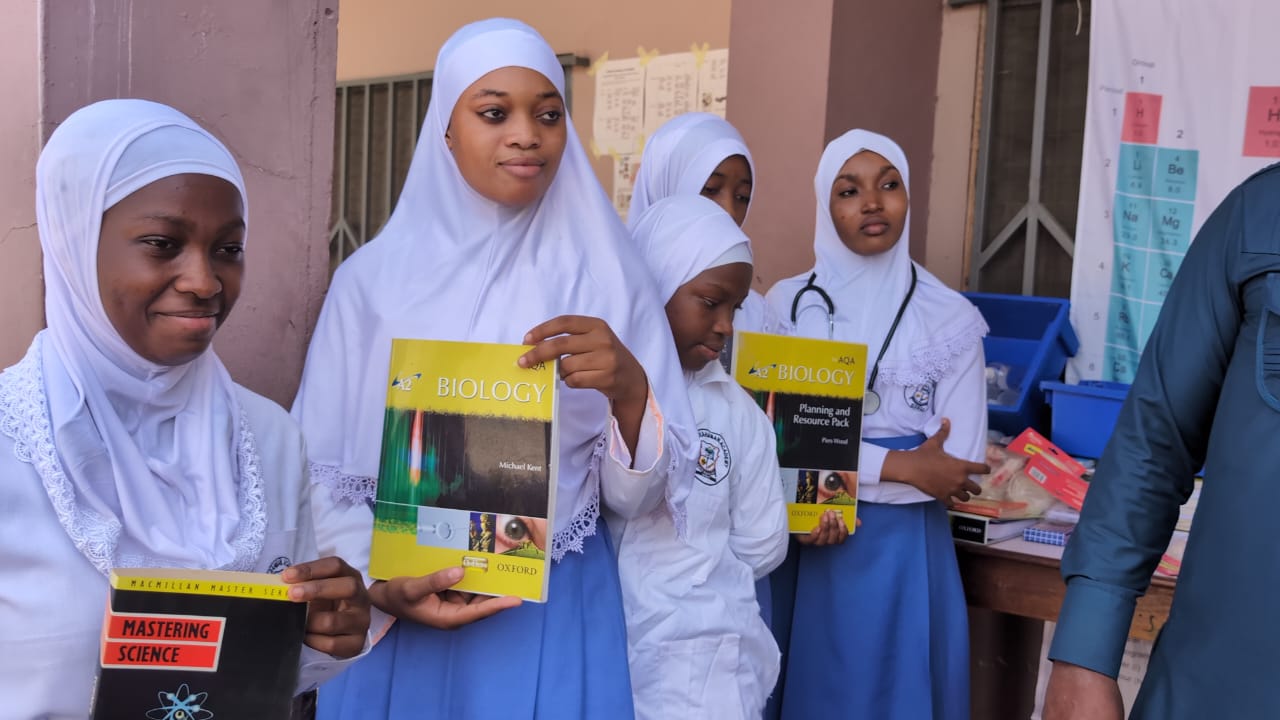
Eastern Education Group partners with school in Ghana to donate unused science equipment
In 2025, members of staff at Eastern Education Group visited Ibadu Rahman – a high school in Kumasi, Ghana, which…
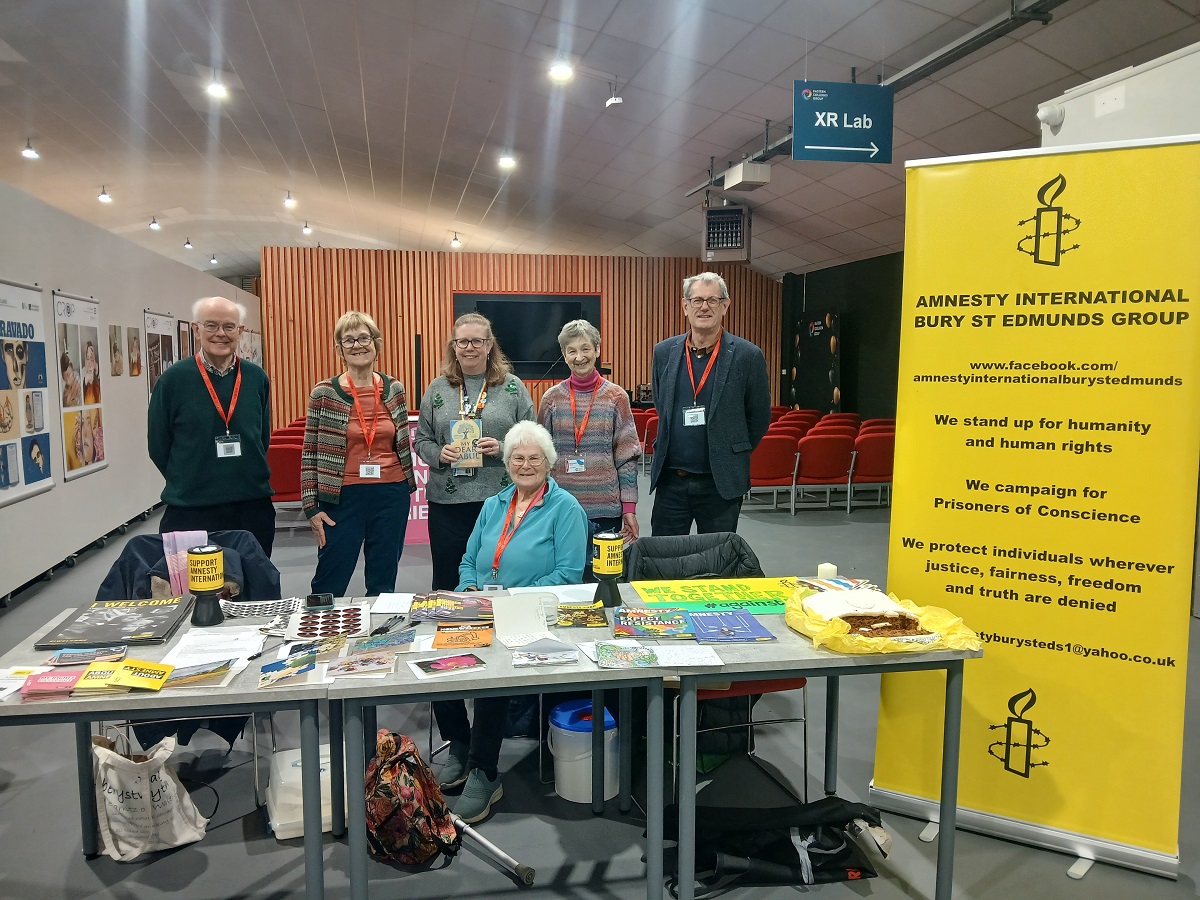
Eastern Education Group keeps the flame burning for Human Rights Day with Amnesty International
Eastern Education Group welcomed representatives from Amnesty International to the University & Professional Development Centre to mark Human Rights Day…
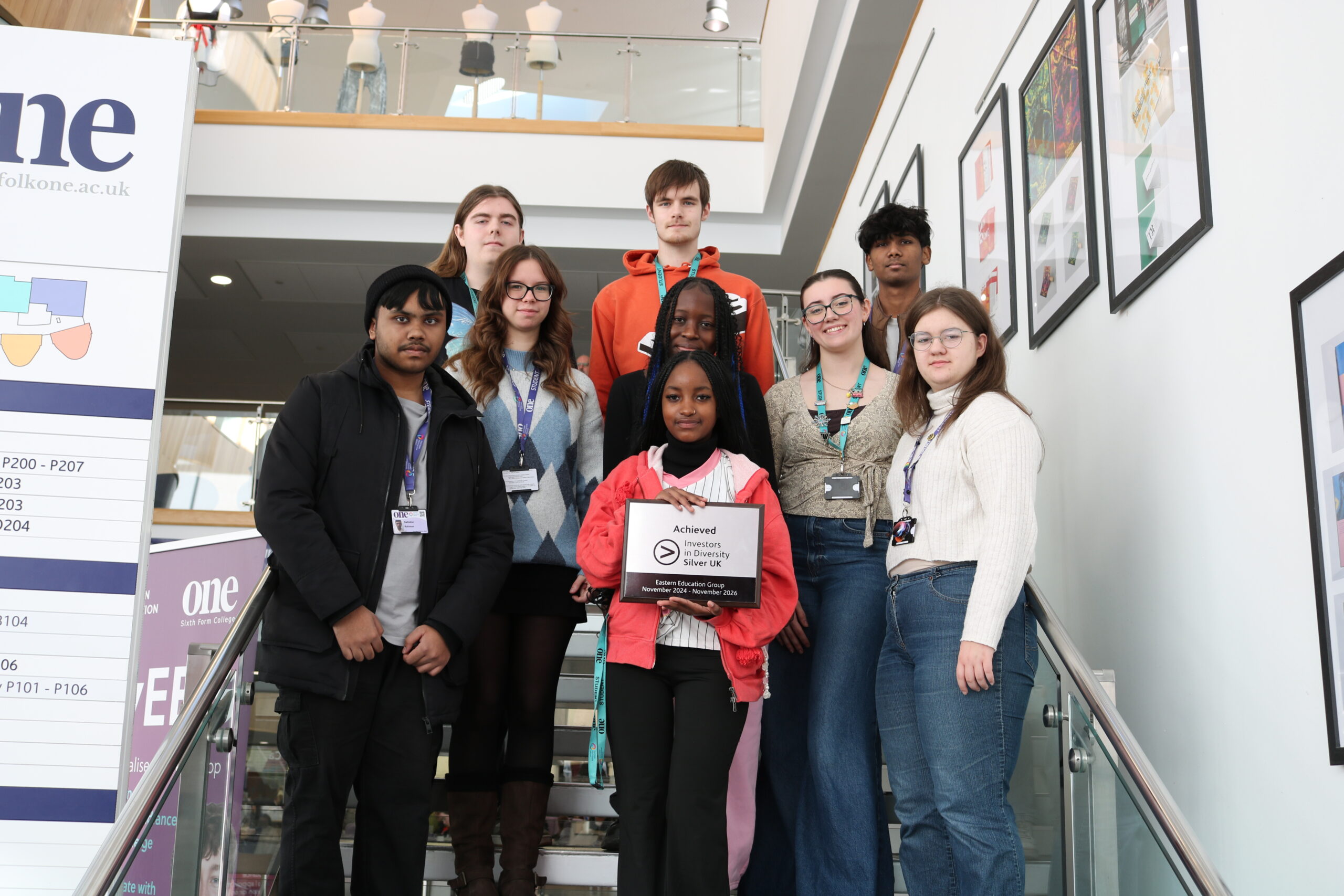
“Hatred has no place here”: Eastern Education Group recognised nationally for championing unity and diversity
Eastern Education Group (EEG) has been awarded the Investors in Diversity Silver accreditation by the National Centre for Diversity, following…